For about a day, markets responded as was broadly anticipated in the event of a Democrat sweep: stocks rallied and the dollar slipped on the prospect of gridlock and a restrained deficit. This relatively calm and orderly response has not lasted, however, as markets assume that Democratic pressure raises the chances of a sooner end to the Iran war than expected, while fears of tighter AI regulation have sparked a sharp sell-off in tech stocks. Indeed, AI jitters have weighed on risk appetite throughout the last month, with the Nasdaq entering correction following its deepest one-day drop in 19 months.
The last few weeks have actually been among the busiest in markets for a while. Brent fell from around the $118 a barrel mark at the end of October to below $90 a barrel following the midterms and the White House softening its military rhetoric.The Fed held rates, though all but pre-announced a December hike, with a hot US CPI print and some hawkish comments from Fed officials opening the door to more in 2027. The euro has buckled under the French fiscals tress, while ECB President Lagarde announced she would be leaving her post early.Meanwhile, the UK budget passed without much drama,and the Bank of England hiked for the first time in over three years.
Highlights:
- Blue wave delivers, but fiscal impact muted.
- Democratic pressure raises odds of an earlier Iran deal.
- AI sell-off pushes the Nasdaq into correction.
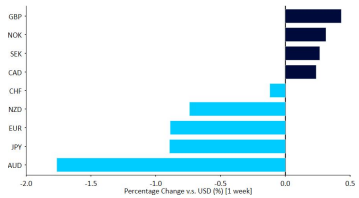
- Dollar surges to its highest since Liberation Day.
- Another Fed hike in early 2027: are markets getting ahead of themselves?
- Sterling hits post-Brexit highs as political risk fades.