Pay and get paid, effortlessly
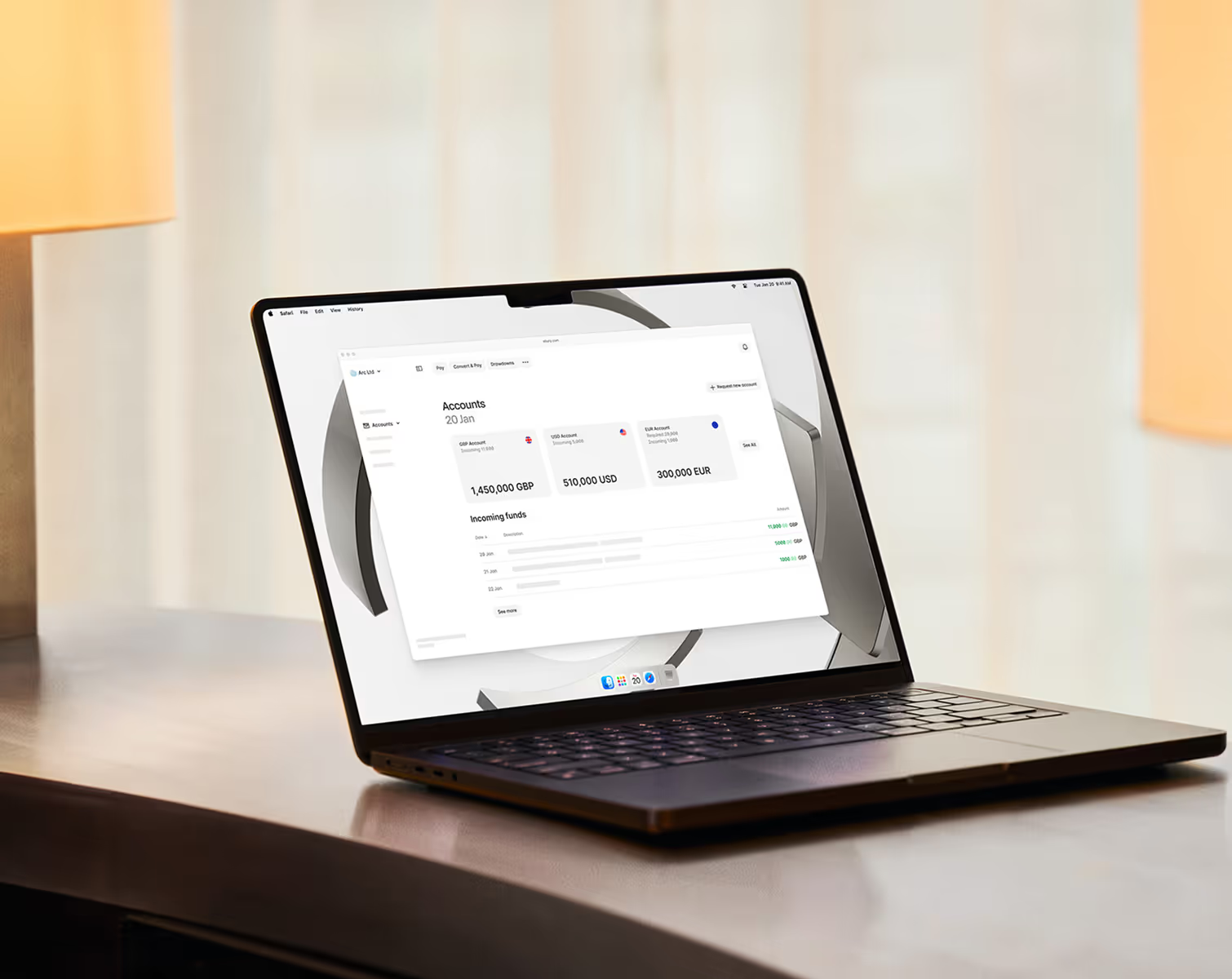
Send and receive money around the world in your preferred currencies.
Send and receive money around the world in your preferred currencies.

Thrive globally with efficient payment and collection solutions
Go beyond traditional solutions. Payment and collection solutions built for speed, control and certainty.
Go beyond traditional solutions. Payment and collection solutions built for speed, control and certainty.

International
Reliable transfers at low-cost FX fees. Leverage our global payment network to send and receive money worldwide.


Local
Pay and get paid faster with low-cost fees using local, reliable rails. We are participants in SEPA, FPS, BACS and PIX.

Instant
Real-time transfers, free of charge. Move money across the Ebury network in multiple currencies.

Power your financial workflows with pre-built integrations
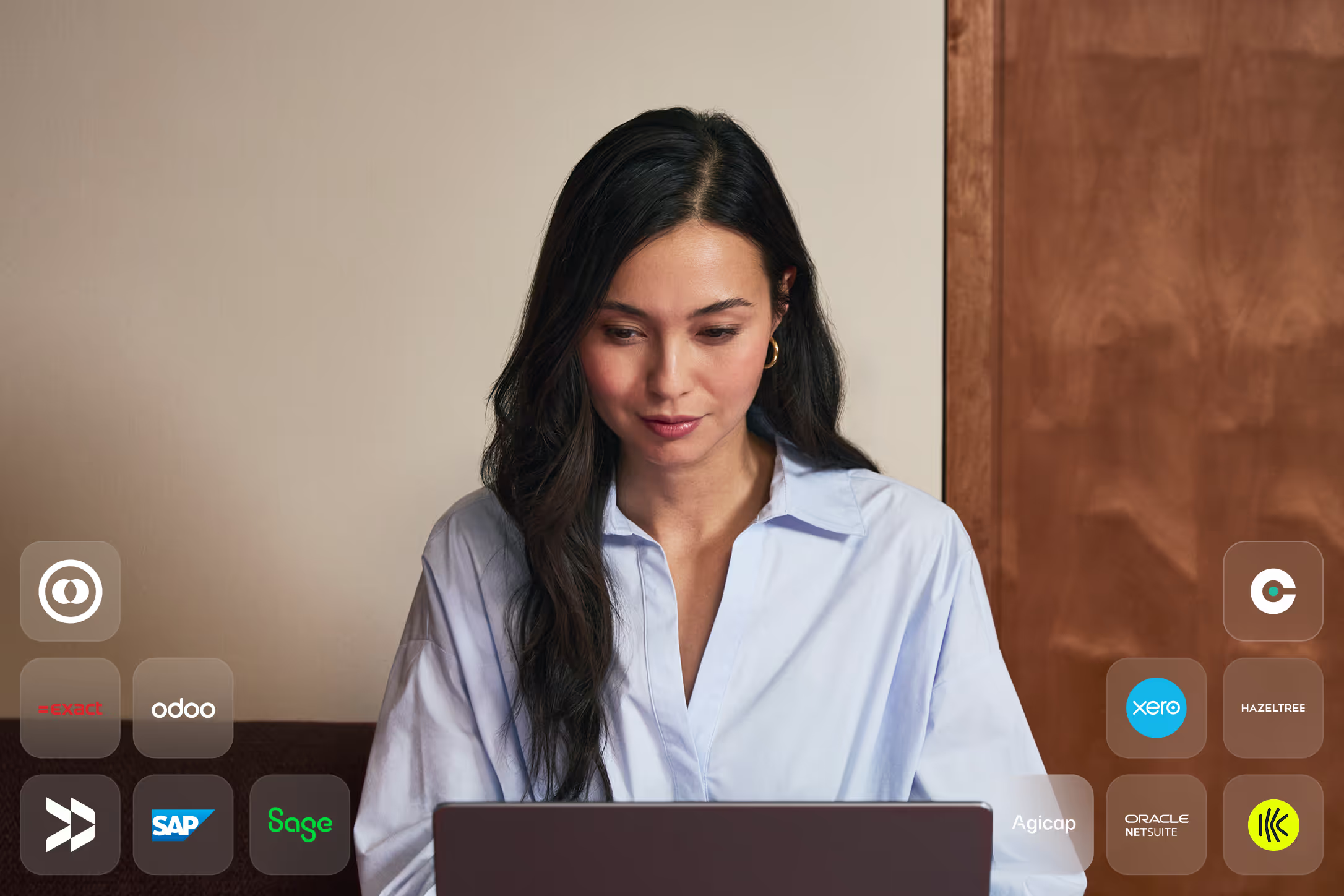
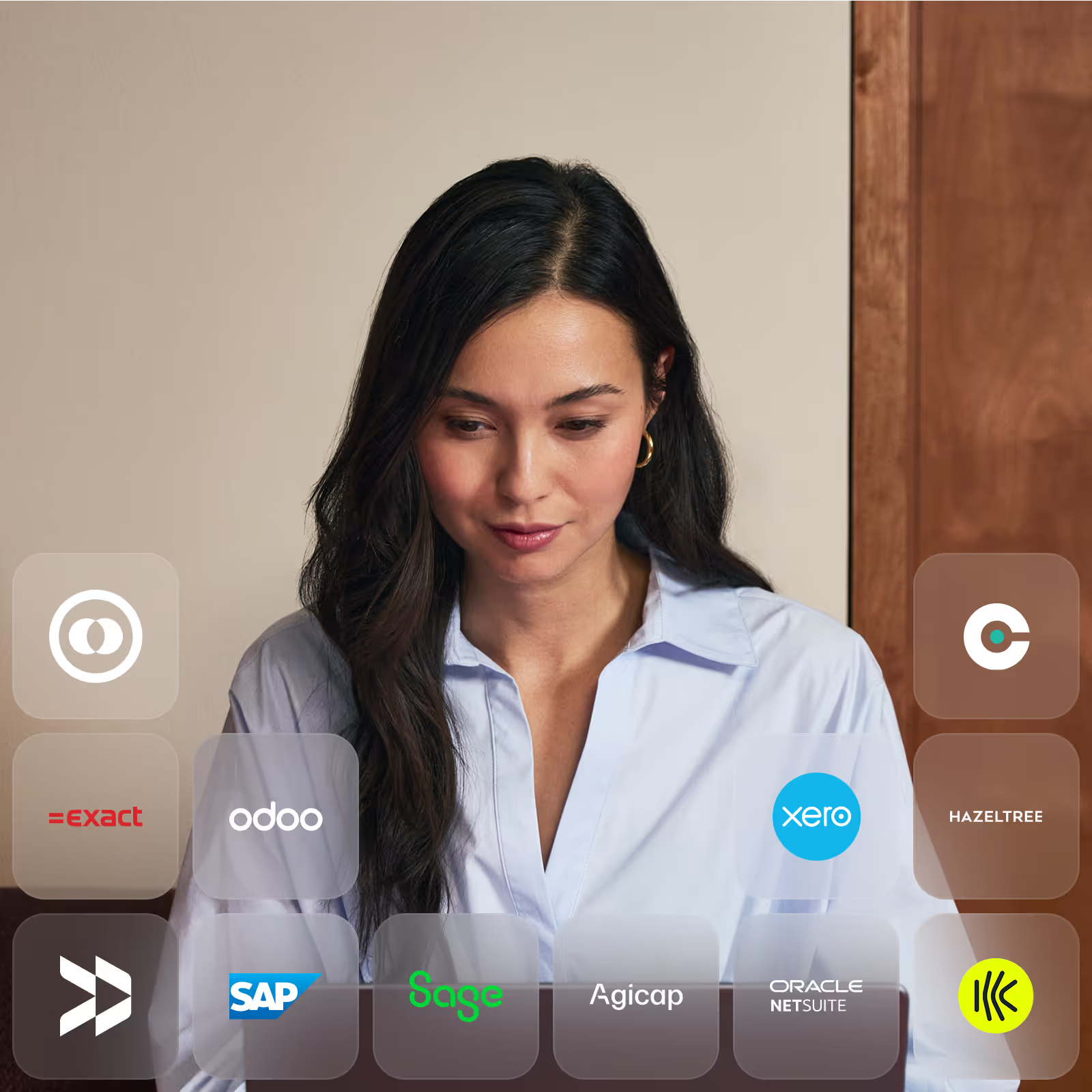
Unify your cash flows and automate accounting. Sync Ebury with NetSuite, Xero, and more.
Unify your cash flows and automate accounting. Sync Ebury with NetSuite, Xero, and more.
Experience the future of global payments
Transparent, reliable, and effortless — cross-border payments the way you expect.
Transparent, reliable, and effortless — cross-border payments the way you expect.

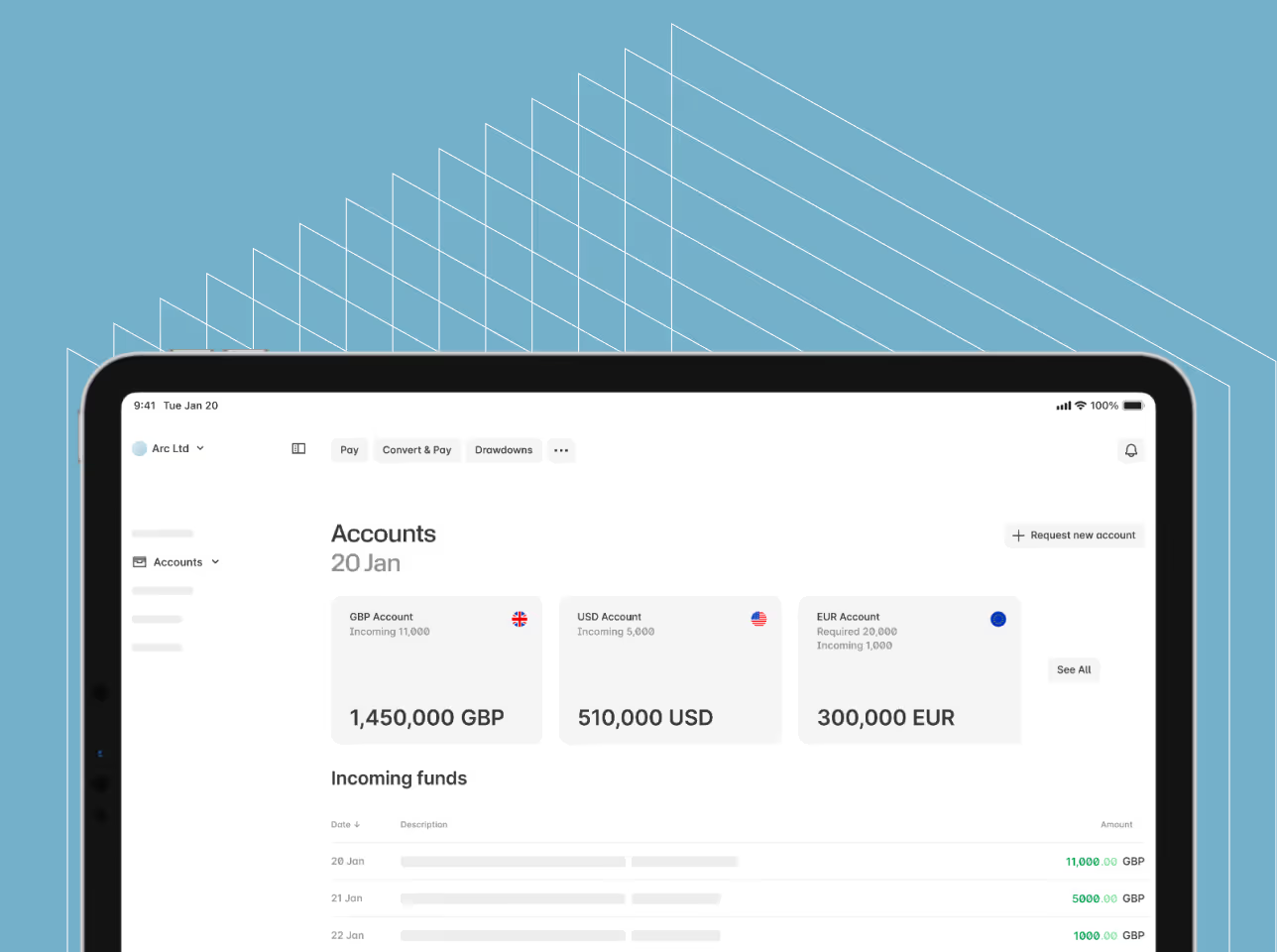
Streamline payments and hedging on a single, intuitive platform.

Pay suppliers and receive funds from your customers in their preferred currency.

Transact securely and conveniently from our online platform and a mobile app.
Frequently asked questions
We are here to help you with any questions you may have.
We are here to help you with any questions you may have.
What is the difference between a SHA, OUR and local payment methods?
To explain this, let’s dive deep into who pays the transfer charges.
In shared (SHA), senders pay their bank’s outgoing transfer charge, while the beneficiary receives the payment minus the correspondent bank's charges.
On the other hand, in OUR, the sender pays all transfer charges and the receiver gets the entire amount. However, it does not always guarantee receipt of the full amount, as banks can still deduct payments, and this depends on the country and bank.
A local payment method lets you pay with a payment method available in a specific country.
Why do I need to pay locally in a different currency?
When you source from another country, paying your suppliers or other partners in their local currency can help them reduce their FX risk. This enables you to negotiate better pricing and maximise profitability. Also, if you have offices worldwide, paying your employees in their local currency helps them save money on conversion costs. In both cases, you win their trust and build loyalty.