
The recent geopolitical crisis highlighted the importance of a strong supply chain and effective logistics management. When key shipping routes, such as the Strait of Hormuz, are blocked, operators first check the charts, then add extra days to the schedule, make changes, and update the crew. These problems are not just about navigation on water; they also affect other parts of the operation.
Any disruption at sea can affect your treasury management. Longer trips and sudden route changes create urgent, unpredictable cash flow needs that may affect working capital. For shipowners, managers, and operators, keeping ships moving depends on how quickly funds can cross borders. When routes change, your financial systems are put to the test.
The port payment friction
When a ship has to divert, port logistics shift instantly. Rerouting pushes vessels into emergency transit ports or unfamiliar bunkering hubs, where ship managers must quickly settle local port costs and arrange services and supplies. In such situations, payment speed directly influences operational success.
Traditional SWIFT bank transfers can take 3 to 5 business days to clear—a costly delay in an alternative port. While waiting for funds to reach the agent's account, the vessel sits idle and accumulates severe financial penalties.
- Escalating daily penalties: Delayed port payments can expose a rerouted vessel to additional charges, such as berth hire, which typically range from $10,000 to $50,000+ per day depending on the port, cargo, and vessel type.
- Missed transit windows: Missing a tight tidal or port window can push delivery schedules back by weeks.
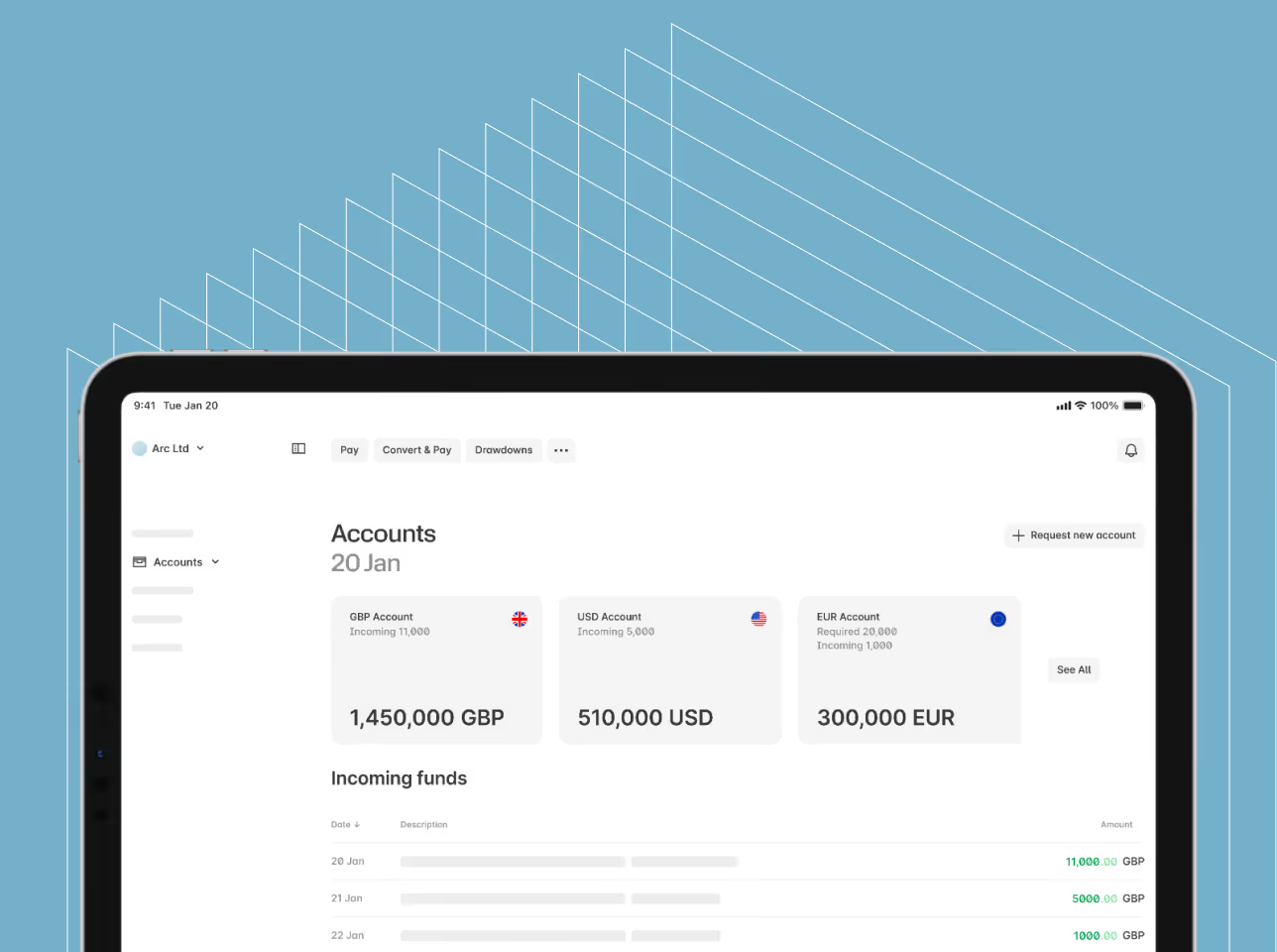
To solve this, you need a financial system designed for speed, compliance, and handling cross-border payments. Using dedicated multi-currency accounts connected to local, real-time payment networks lets ship managers pay critical invoices in minutes rather than days. This removes delays that lead to additional costs or cause suppliers to withhold key services, so your cargo keeps moving via new routes.
The margin squeeze: Fuel and currency volatility
In addition to delaying cargo, longer routes can alter a vessel’s underlying cost structure. Fuel alone accounts for 50% to 60% of total ship operating costs. When a ship is forced to reroute, ship operators have to buy bunkers, or source technical services in unfamiliar ports. This sudden shift exposes net margins to volatility in the spot foreign exchange (FX) market.
Table 1: Operational impact of treasury infrastructure
Buying currency on the spot during a crisis can quickly reduce profits. Instead, corporate treasurers can use risk management tools such as forward contracts to secure exchange rates along trade routes. This helps finance teams turn unpredictable costs into fixed expenses and keep budgets on track, even when geopolitical events change shipping routes.
Looking to 2027: Structural volatility is the new normal
Geopolitical trouble spots are now a permanent part of modern shipping logistics, not just temporary problems. As 2027 approaches, maritime operators who prioritise financial agility in their operations will have the edge. To keep fleets strong, operators need a payment system that can quickly adapt to new routes, evolving international regulations, and complex cross-border requirements.
Key takeaways
- Bypass SWIFT delays: Avoid legacy bank transfers for emergency port fees. Local payment rails can clear funds in minutes and help you avoid thousands of dollars in daily vessel detention costs.
- Hedge route disruptions: Protect your operating margins from sudden FX swings by using forward contracts to lock in steady FX rates across different trade routes.
- Centralise multi-currency cash: Open multi-currency accounts to pay international suppliers and port agents instantly, without high conversion fees.
Volatile routes shouldn't lead to volatile margins. A proactive FX and cash management strategy, such as using forward contracts or local currency accounts, helps operators lock in costs and protect their bottom line, no matter where the vessel has to go.
Frequently asked questions
How do local payment rails speed up the processing of port fees?
Traditional international transfers go through several intermediary banks, which causes delays. Ebury's Maritime Solution lets ship managers and agents use dedicated multi-currency accounts that connect straight to local clearing systems. This pays invoices in minutes and keeps vessels on schedule.
Why is buying FX on the spot market risky during a crisis?
Sudden routing changes can create spikes in demand for regional currencies at alternative hubs. Spot transactions leave your margins exposed to FX rate fluctuations. Ebury's FX tools let operators lock in competitive exchange rates for up to 10 years across 60+ currencies. This helps maintain budget stability for future expenses like dry-docking or major equipment purchases.
How can digital platforms streamline multi-currency workflows?
Shipping requires making fragmented payments to crew, port authorities, and vendors in different countries. The Ebury platform brings all global treasury operations together, so ship operators can manage cash flow, upload payments in bulk, and automate reconciliation around the clock, hassle-free.